


Comprehensive Testosterone Replacement Options for Men: Evidence-Based Therapy and Personalized Care

By Lori Gerber, Dr. Lori Integrative Medicine
Low testosterone can quietly erode a man's health — showing up as fatigue, shrinking muscle mass, or a fading interest in sex long before a lab test confirms what's going on. This article walks through the testosterone replacement options available today, from evidence-based therapy approaches to the personalized care that makes them work. Readers will see how bioidentical therapies, comprehensive hormone panels, and functional medicine come together to guide treatment, along with options ranging from natural boosters to advanced therapies. Understanding these approaches gives men a clearer path toward feeling like themselves again — and it's the foundation of the personalized, whole-body care Dr. Lori Gerber, D.O. provides through her R3AL³ Lifegevity Method, a framework built around the body's 7 LifeLinks. Ready to see where your hormones stand? Get started now with a virtual consultation.
Evidence-Based Therapy Approaches
Evidence-based therapy approaches ground testosterone replacement in methods that have been studied and proven to restore hormonal balance. Rather than a one-size-fits-all prescription, these approaches draw on well-researched techniques matched to each patient's needs. Bioidentical Testosterone Therapy (BHRT), comprehensive hormone panels, and functional medicine all play a role in building a treatment plan that truly optimizes testosterone levels.
Bioidentical Testosterone Therapy (BHRT)
Bioidentical Testosterone Therapy (BHRT) uses hormones that are chemically identical to what the body already produces, which helps it ease symptoms of low testosterone effectively. Research backs this up: BHRT has been shown to improve vitality and meaningfully reduce fatigue and low libido. Good candidates are men with clinically low testosterone confirmed through comprehensive testing, and many practitioners favor BHRT precisely because it works with the body's natural hormone balance rather than against it.
Comprehensive Hormone Panels
Comprehensive hormone panels are the starting point for getting testosterone replacement therapy right. By assessing multiple hormones at once, this testing gives a fuller picture of a man's hormonal health rather than a single data point. Panels commonly measure testosterone, estradiol, and other related hormones, and the results shape a treatment plan built around that patient's specific needs. Regular follow-up screenings then help track how well the plan is working and fine-tune dosages over time.
Functional Medicine Approach
The functional medicine approach looks beyond the numbers on a hormone panel to the whole person. It considers a patient's overall health, lifestyle, and the environmental factors that can throw hormonal balance off course. Functional medicine practitioners lean on integrative strategies and patient education, working closely with each patient to build a personalized treatment plan aimed at lasting health, not just a quick fix. This is the thinking behind Dr. Lori Gerber's R3AL³ Lifegevity Method, which evaluates each of the body's 7 LifeLinks — the interconnected systems that influence hormonal health — rather than treating testosterone in isolation.
Personalized Care Strategies

Personalized care is at the heart of effective testosterone therapy — treatment should fit the patient, not the other way around. That means building an individualized plan that accounts for ongoing monitoring, adjusts as the body responds, and weaves in supportive lifestyle changes along the way.
Individualized Treatment Plans
Customized treatment plans weigh factors like age, lifestyle, and each patient's specific hormonal needs. With a tailored strategy in place, healthcare providers can adjust dosages over time as they see how a patient responds to therapy and to periodic lab work. Regular consultations with Dr. Lori Gerber, D.O. keep treatment aligned with a patient's evolving needs and health status. Thinking about starting therapy? Get started now with a personalized consultation.
Ongoing Monitoring and Adjustments
Keeping an eye on testosterone levels throughout treatment helps ensure the therapy is working and keeps side effects in check. Providers typically rely on regular blood tests along with a check-in on clinical symptoms to evaluate progress. That ongoing look at the data lets them fine-tune dosages as needed, which tends to translate into better outcomes and a real improvement in day-to-day quality of life.
Integration with Lifestyle Changes
Lifestyle changes can make or break how well testosterone replacement therapy performs. What a patient eats, how active they are, and how they manage stress all leave a mark on hormone levels. Regular exercise paired with a balanced, nutrient-rich diet goes a long way toward supporting healthy testosterone production and overall well-being.
Treatment Options Available
Men facing low testosterone have several treatment paths to choose from, each with its own trade-offs. Understanding what each option involves makes it easier to make an informed decision. The main delivery methods — injections, patches, troches (losengers) and creams — each come with their own set of considerations worth weighing.
Delivery Methods
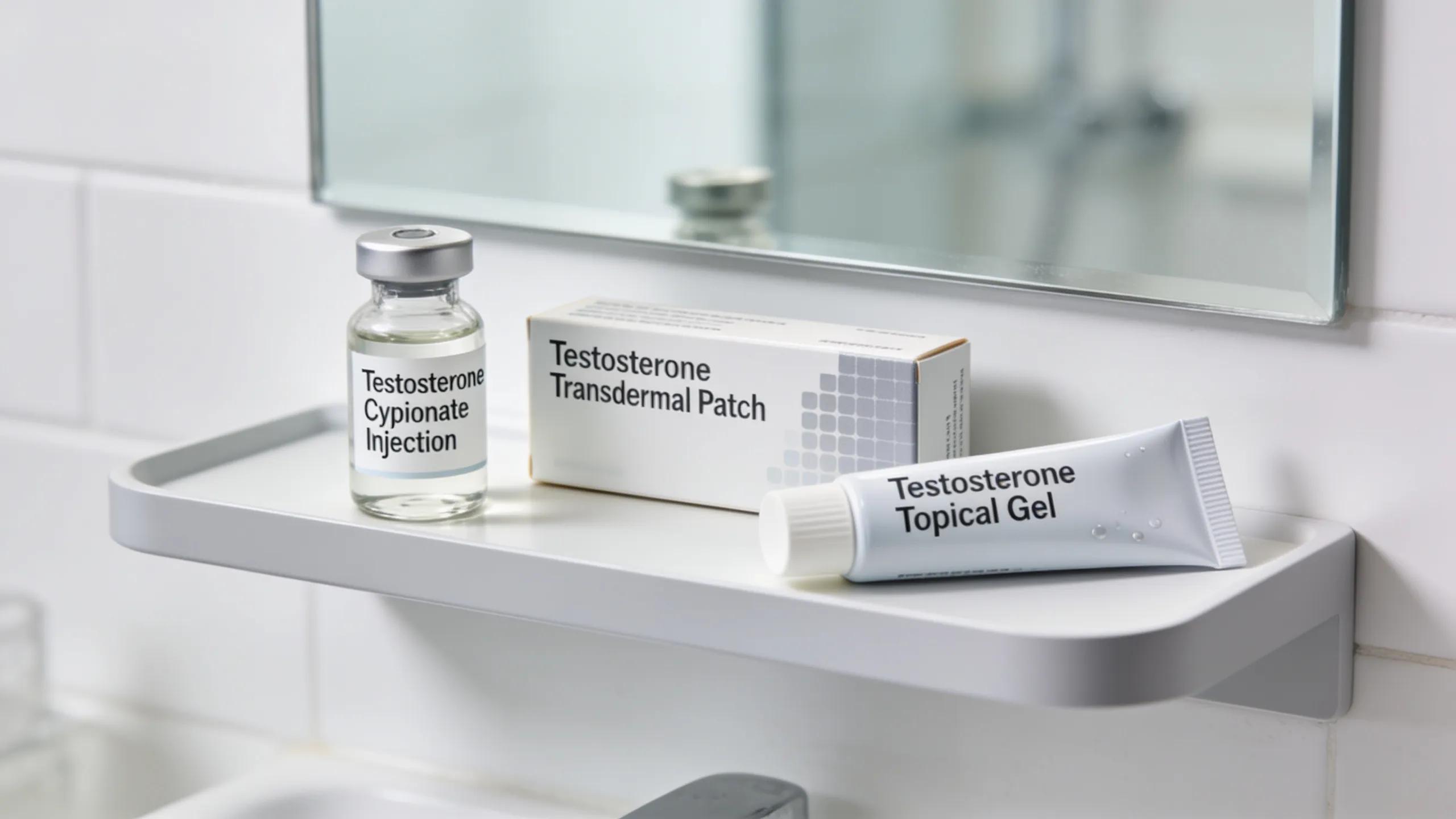
Testosterone replacement comes in several delivery methods, each with its own advantages:
- Injections: Typically administered every 1-2 weeks, testosterone injections deliver significant increases in testosterone levels. However, they may require regular visits to a healthcare provider.
- Transdermal Patches: These patches allow for a steady release of testosterone through the skin over 24 hours. They are convenient but may cause skin irritation.
- Creams: Topical creams provide a quick absorption method and are easy to use. They can be applied daily, but precautions must be taken to avoid transferring the hormone to others.
- Troches: These small lozenges dissolve between the cheek and gum, releasing testosterone through the oral mucosa. They're compounded to a precise dose and offer flexible dosing, though they need to stay in place long enough to absorb fully.
The right choice ultimately comes down to personal preference, lifestyle, and medical considerations specific to the patient.
Compounded Prescriptions vs. Traditional Pharmaceuticals
Compounding pharmacies give patients and providers a level of flexibility that off-the-shelf pharmaceutical products often can't match. Rather than being limited to a handful of fixed doses and delivery formats, a compounded prescription can be customized in strength, form, and even flavor or base ingredients — which matters for men who need a dose that falls between standard increments or who prefer a delivery method, like troches or a specific gel concentration, that isn't commercially available.
Traditional pharmaceutical formulations still have their place: they come with large-scale manufacturing standards and extensive clinical trial data behind them. Compounded options, by contrast, are prepared to order based on a provider's specific prescription, which allows for more individualized dosing and delivery choices but relies on the expertise and quality standards of the compounding pharmacy itself. For many patients, the right path is a combination — starting with a standard formulation and moving to a compounded one if dosing needs to be fine-tuned or a different delivery method suits their lifestyle better. A healthcare provider can help weigh these trade-offs based on each patient's goals and response to therapy.
Support for Natural Testosterone Production
Supporting the body's own testosterone production alongside treatment can make a real difference in outcomes. Diets rich in zinc and vitamin D are especially helpful, since both nutrients play a direct role in hormone synthesis. Regular exercise — strength training in particular — can also nudge natural testosterone levels upward, giving conventional therapy a helpful boost. Dr. Lori often points to this interplay between hormones, metabolism, and daily habits as a prime example of why the 7 LifeLinks matter: hormonal health rarely improves in isolation.
Addressing Estrogen Balance
Estrogen levels deserve just as much attention as testosterone during therapy, since hormone balance overall is what keeps a patient feeling well. Keeping estrogen in check helps prevent side effects like breast tenderness or shifts in fat distribution. That usually means regular blood work to track levels, with adjustments made to therapy whenever needed.
Detoxification and Gut Health
A growing body of research points to gut health as a real player in hormonal balance. Supporting healthy detoxification and a balanced microbiome can help sustain hormone levels overall, testosterone included. Simple dietary habits — fiber-rich foods and probiotics among them — can support gut health and, in turn, give hormone levels a helpful lift. Gut health is one of the 7 LifeLinks Dr. Gerber evaluates in her R3AL³ Lifegevity Method, since a struggling gut can quietly undercut even a well-designed hormone plan.
What Are the Common Symptoms and Clinical Indicators of Low Testosterone in Men?
Low testosterone can show up in a number of ways. Some of the most common signs include:
- Fatigue: Persistent tiredness that does not improve with rest.
- Reduced Libido: Decreased sexual desire and interest.
- Mood Changes: Increased feelings of sadness or frustration.
- Muscle Loss: Noticeable reduction in muscle mass and strength.
- Night Sweats: Unexplained sweating episodes that disrupt sleep.
- Insomnia: Trouble falling or staying asleep despite feeling tired.
- Multi-Joint Pain: Aching or stiffness affecting several joints at once.
- Injuries: Slower recovery and a higher susceptibility to strains and injuries.
Catching these symptoms early makes it easier to get timely treatment and start feeling better sooner.
Which Symptoms Signal the Need for Testosterone Replacement Therapy?
Some symptoms are strong enough to warrant a real conversation about testosterone replacement therapy. Key signs include:
- Persistent Fatigue: Fatigue that is not relieved by rest could indicate hormonal imbalance.
- Significant Weight Gain: Particularly around the abdomen, may signal low testosterone.
- Loss of Muscle Mass: Difficulty in maintaining or building muscle may warrant evaluation.
- Changes in Mood: Increased anxiety or depressive symptoms are often associated with low testosterone levels.
- Night Sweats and Insomnia: Disrupted sleep and unexplained sweating episodes are common signals worth evaluating.
- Multi-Joint Pain and Injuries: Aching across several joints, along with a higher susceptibility to injuries, may point to hormonal imbalance.
Bringing these symptoms up with a healthcare provider is the fastest way to get a proper assessment and the right treatment recommendation.
What Are the Main Types of Testosterone Replacement Therapies Available?
Testosterone replacement therapy comes in several forms, including:
- Injections: Administered in a clinic or self-injected.
- Transdermal Patches: Provide consistent hormone delivery through the skin.
- Topical Gels: Applied daily and offer flexibility in administration.
- Pellets: Implanted under the skin for sustained release.
- Troches: Compounded lozenges that dissolve between the cheek and gum for flexible, precisely dosed delivery.
Each method carries its own benefits and trade-offs, best weighed together with personal preference and a provider's clinical guidance.
What Role Do Bioidentical Testosterone Preparations Play in Treatment?
Bioidentical testosterone preparations are popular for good reason: their structure closely mirrors the testosterone the body makes naturally. That similarity often translates into a more natural-feeling approach to raising testosterone levels, and many patients report fewer side effects than with synthetic options. Still, the choice to go bioidentical is best made together with a knowledgeable healthcare provider who can guide the right selection and dosing.
What Are the Benefits and Potential Side Effects of Testosterone Replacement Therapy?
Testosterone replacement therapy can offer real benefits, including:
- Improved Energy Levels: Many individuals report increased vitality and stamina.
- Increased Muscle Mass: TRT can aid in building muscle and strength.
- Enhanced Mood: Individuals often experience better emotional stability.
- Improved Sexual Function: Increased libido and improved erectile function can result from appropriate testosterone levels.
- Better Sleep: Many men notice fewer night sweats and improved, more restful sleep.
- Reduced Joint Pain: Easing of multi-joint aches and a lower susceptibility to injuries are commonly reported.
That said, it can come with potential side effects, including:
- Acne or oily skin
- Sleep apnea
- Increased red blood cell count
- Potential risk of prostate issues
Regular monitoring from a healthcare provider goes a long way toward keeping these risks in check.
What Are the Common and Serious Side Effects of Testosterone Therapy?
Common side effects of testosterone therapy can include:
- Mood Swings: Fluctuations in mood can occur.
- Fluid Retention: Can lead to swelling in extremities.
- Sleep Disturbances: Sleep apnea may be exacerbated.
More serious side effects can include:
- Mild Hypertension Risk: Some individuals may see a modest rise in blood pressure, which is generally manageable with monitoring.
- Prostate Changes: Regular screening for prostate health is suggested.
Talking through these risks with a healthcare provider is the best way to fully understand what the therapy might mean for a patient's health.
How Can Functional and Integrative Medicine Enhance Testosterone Optimization?
Functional and integrative medicine bring a whole-person lens to managing testosterone levels. By digging into underlying health issues and lifestyle factors, these approaches help optimize hormonal balance rather than just treating a number on a lab report. This is exactly the philosophy behind Dr. Lori Gerber's R3AL³ Lifegevity Method, which maps each patient's 7 LifeLinks — the interconnected body systems that drive lasting hormonal health — rather than chasing a single number. Individualized care models look at the whole person, blending therapies and lifestyle changes to support optimal health.
What Integrative Lifestyle Modifications Support Hormonal Health?
A few lifestyle modifications can go a long way toward supporting hormonal health:
- Healthy Diet: Incorporating whole foods rich in essential nutrients may improve hormonal balance.
- Regular Exercise: Engaging in physical activity helps to stimulate natural testosterone production.
- Stress Management: Techniques such as mindfulness or yoga can positively affect hormone levels.
Paired with medical treatment, these habits work together to support overall well-being and hormonal health.
How Does the Virtual Consultation Process Work for Testosterone Therapy with Dr. Lori Gerber, D.O.?
Dr. Lori Gerber, D.O. guides patients through a thorough virtual consultation process for testosterone therapy. Each session includes a personalized assessment covering medical history and specific symptoms, with the goal of building a tailored treatment plan that may draw on both traditional and integrative strategies.
How Is Patient Monitoring and Dosage Adjustment Managed Remotely?
Patient monitoring happens through follow-up appointments where lab results get reviewed together, allowing dosage adjustments to be made based on how each patient is responding to therapy. Digital communication tools keep that support going between visits, so testosterone management stays responsive and centered on the patient.
What Natural Testosterone Boosters and Adjunct Therapies Complement TRT?
Several prescription and natural boosters can support testosterone levels alongside — or sometimes ahead of — traditional replacement therapy. On the prescription side, options include:
- Clomid (Clomiphene Citrate): Stimulates the body's own testosterone production by prompting the pituitary gland to release more luteinizing hormone.
- HCG (Human Chorionic Gonadotropin): Supports natural testosterone production and helps preserve fertility and testicular size, often used alongside TRT.
Natural options worth knowing about include:
- DHEA: A precursor hormone that may support testosterone synthesis.
- Zinc Supplements: Essential for testosterone production and overall hormonal health.
- Fenugreek Extract: Some studies have suggested it may help in boosting testosterone levels.
- Tongkat Ali: An herbal extract studied for its potential to support healthy testosterone levels and reduce cortisol.
- Cortisol Support: Managing stress hormones through adaptogens, sleep, and stress-reduction techniques helps protect testosterone from the suppressive effects of chronically elevated cortisol.
A quick conversation with a healthcare provider can confirm these adjuncts are safe and appropriate alongside ongoing treatment. Curious which options fit your own hormonal picture? Get started now with Dr. Lori Gerber, D.O. and find out.
Frequently Asked Questions
What is testosterone replacement therapy, and who typically needs it?
Testosterone replacement therapy (TRT) restores testosterone levels in men whose levels have dropped below a healthy range, often due to aging, chronic stress, or an underlying medical condition. Men with confirmed low testosterone on lab testing, paired with symptoms like fatigue, low libido, or muscle loss, are generally the best candidates.
How do I know if my symptoms point to low testosterone?
Persistent fatigue that doesn't improve with rest, a noticeable drop in sex drive, mood changes, and difficulty maintaining muscle mass are the clearest signals. Unexplained weight gain, especially around the midsection, is another common clue. A comprehensive hormone panel is the most reliable way to confirm what's going on.
Which delivery method is best — injections, patches, creams, or pellets?
There's no single best option; each method suits a different lifestyle. Injections deliver a strong boost but require regular administration, patches and gels offer a steady daily routine with minimal hassle, and pellets provide sustained release with less frequent dosing. The right fit depends on personal preference and a provider's clinical guidance.
How often will my treatment plan be adjusted?
Testosterone levels and symptoms are checked through periodic blood work and follow-up visits, and dosages are fine-tuned based on those results. This ongoing monitoring helps keep the therapy effective while minimizing side effects like elevated red blood cell count or shifts in estrogen balance.
Can natural supplements or lifestyle changes support TRT?
Yes — nutrients like zinc and vitamin D, strength training, and habits that support gut health can all give the body's natural testosterone production a helpful boost alongside prescribed therapy. Supplements such as DHEA or fenugreek extract are worth discussing with a healthcare provider before adding them to a treatment plan.
What does the virtual consultation process with Dr. Lori Gerber, D.O. involve?
Care begins with a personalized virtual assessment covering medical history and symptoms, followed by a tailored treatment plan. Ongoing progress is tracked through virtual follow-ups where lab results are reviewed and dosages adjusted, with digital communication keeping support available between visits.
Ready to Feel Like Yourself Again?
Low testosterone doesn't have to be something you just live with. Dr. Lori Gerber, and the Dr. Lori team build every treatment plan around the R3AL³ Lifegevity Method — a personalized look at your body's 7 LifeLinks to find out what's really driving your symptoms, not just the number on a lab report.
Get started now with a virtual consultation with Dr. Lori, or reach the team directly at info@mydoctorlori.com or text or call 1-215-259-8774 to take the first step toward lasting hormonal health.
0 comments